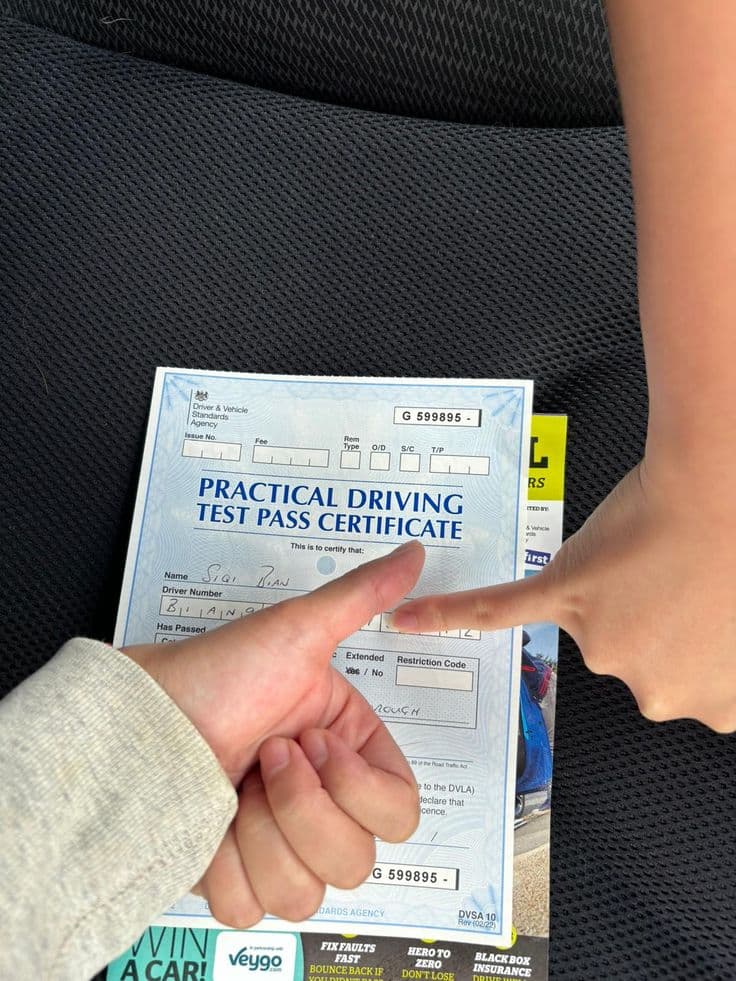
Building Confidence Behind the Wheel: A Journey from First Lesson to Test Day
Building confidence as a learner driver is a gradual journey. Every learner starts with nerves, hesitation, and fear of the unknown—but confidence grows step by step through experience, practice, and small wins. This blog brings together the shared experiences of UK learners to help you understand how confidence develops from your first lesson all the way to test day.

The first driving lesson feels overwhelming for almost everyone. Suddenly you’re managing mirrors, pedals, and road signs while trying to stay calm. Confidence at this stage doesn’t come from being perfect it comes from simply learning how the car responds. Small wins like moving off smoothly or stopping without stalling help build the foundation you need.
2) Facing Early Fears
Fear is a normal part of learning. Common worries include stalling at a junction, entering roundabouts, dealing with traffic, or being pressured by drivers behind you. Confidence isn’t the absence of fear it’s learning to drive despite it.
Tips learners swear by:
1) Ask your instructor to repeat demonstrations.
2) Reflect after each lesson on what went well.
3) Visualise tricky scenarios before practising them.
4) Remember: dual controls keep you safe.
3) Growing Through Different Environments
Confidence grows each time you move into a slightly more challenging driving environment. The usual progression is:
1) Car parks and empty spaces – learning basic controls.
2) Quiet residential roads – steering, junctions, parked cars.
3) Busier town roads – roundabouts, traffic lights, multi-lane roads.
4) Dual carriageways – higher speeds, slip roads, overtaking.
4) Confidence Milestones Most Learners Experience
As your skills grow, you’ll start hitting moments that make you think: “I can actually do this.”
1) The first time you drive for 10 minutes without a mistake
2) Handling a busy roundabout calmly
3) Completing parking manoeuvres smoothly
4) Driving independently with minimal instructor input
5) Setbacks Are Part of the Process
Every learner has difficult lessons. You might stall repeatedly, struggle with roundabouts, or forget something you learned weeks ago. This doesn’t mean you’re going backwards. Setbacks usually mean you’re moving into a new stage of learning.
Stay patient, talk openly with your instructor, and focus on what you did improve, even on tough days.
6) Preparing for Test Day with Confidence
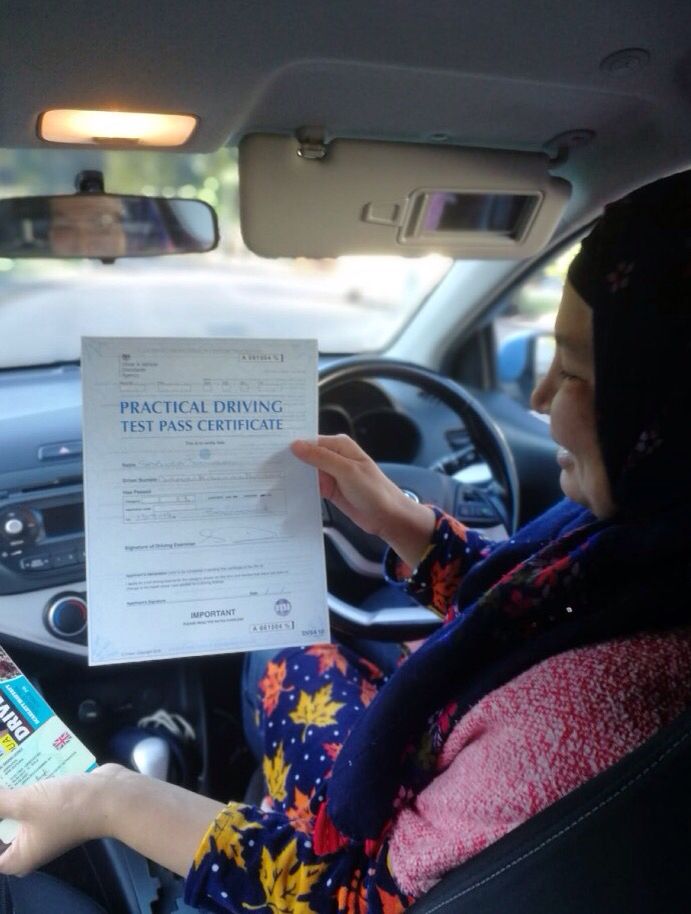
By the time your test arrives, confidence becomes about consistency, not perfection. You don’t need to feel 100% ready—you just need to be safe, steady, and able to think for yourself.
Top confidence tips for test day:
1) Practise near your test centre.
2) Do a mock test to remove fear of the unknown.
3) Expect small mistakes—they don’t mean failure.
4) Breathe, relax your shoulders, and trust your training.