Hornchurch Driving Test Centre: Pass Rate & Routes
Sitting your test at Hornchurch? Here's the pass rate, the roads examiners tend to use, the faults that catch people out, and how to grab an earlier date.

Booking an Earlier Hornchurch Driving Test
Ready to pass but stuck waiting months? DriveCircle automatically monitors Hornchurch driving test cancellations and helps you secure an earlier test date without constantly checking the DVSA website.
Ready to move your test forward? Book Here.
1) Hornchurch Driving Test Centre: What You Actually Need to Know
Got a test booked at Hornchurch? You probably know the driving part by now. What worries most learners isn't the driving itself. It's not knowing which roads you'll use, what examiners are looking for, or whether Hornchurch is considered an easy test centre.
This guide covers everything you need to know, including:
1) Hornchurch driving test pass rates
2) Roads commonly used during the test
3) Common reasons learners fail
4) Local driving tips
5) How to book an earlier driving test
Whether it's your first attempt or your fourth, this guide will help you feel more prepared.
2) Where Is Hornchurch Driving Test Centre?
Address
DVSA Driving Test Centre
75 Station Lane
Hornchurch
RM12 6JX
Located in Havering, East London, Hornchurch offers a balanced mix of road types. Unlike some London test centres that keep learners in heavy city traffic throughout the test, Hornchurch quickly takes you onto quieter residential roads before introducing faster A-roads.
Common roads used during tests include:
1) Station Lane
2) Hornchurch Road (A124)
3) Hall Lane
4) Corbets Tey Road
5) Hacton Lane
6) Suttons Avenue
7) Billet Lane
8) Wingletye Lane
9) Southend Arterial Road (A127)
This variety helps examiners assess how safely you adapt to different driving situations.
3) Parking and Arrival Tips
The driving test centre has a small car park, mainly intended for examiners and driving instructors.
If you're using your own car, make sure it has:
1) L plates fitted
2) Valid insurance that covers driving tests
3) An additional rear-view mirror for the examiner
4) Roadworthy condition
On the day of your test:
1) Arrive around 10 minutes early.
2) Bring your provisional licence.
3) Wear your glasses if required for driving.
4) Switch your phone off before entering the waiting area.
4) Is Hornchurch Driving Test Centre Easy?
The honest answer is no, but it's not one of London's most difficult centres either.
Hornchurch provides a realistic mix of driving conditions throughout the test. You may move between quiet residential streets, busy shopping areas, roundabouts and faster roads within just a few minutes.
Examiners are looking for drivers who can:
1) Observe properly
2) Make safe decisions
3) Maintain good vehicle control
4) Stay calm under pressure
5) Drive independently
You don't need perfect driving. You need safe and consistent driving.
5) Hornchurch Driving Test Pass Rate
According to the latest DVSA figures, Hornchurch performs slightly above the national average.
CategoryResultOverall pass rate53.0%National average48.6%First-time pass rate49.9%Tests conducted3,567
A higher pass rate doesn't mean the test is easier.
Every driving examiner follows exactly the same DVSA marking standards. A better pass rate usually reflects that many local learners arrive better prepared after practising on these roads regularly.
6) Roads Commonly Used During the Hornchurch Driving Test
Although the DVSA no longer publishes official driving test routes, instructors and learners regularly report using the same roads.
These include:
1) Station Lane
2) Hornchurch Road (A124)
3) Hall Lane
4) Corbets Tey Road
5) Hacton Lane
6) Suttons Avenue
7) Billet Lane
8) Abbs Cross Lane
9) Wingletye Lane
10) Southend Arterial Road (A127)
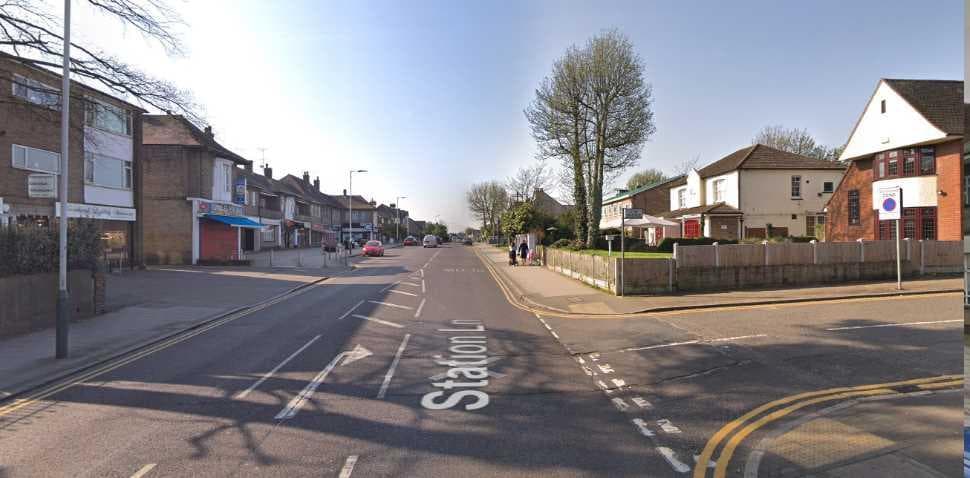
1) Station Lane
Usually one of the first roads on the test.
Expect to encounter:
1) Pedestrian crossings
2) Bus traffic
3) Parked vehicles
4) Busy junctions
2)Hall Lane
Hall Lane tests several important driving skills, including:
1) Speed limit awareness
2) Roundabouts
3) Lane discipline
4) Observation at junctions
3) Hornchurch Road (A124)
This road becomes busy during peak hours.
Pay particular attention to:
1) Lane positioning
2) Cyclists
3) Buses
4) Traffic flow
4) Southend Arterial Road (A127)
The A127 is used to assess your confidence on faster roads.
You should be comfortable with:
1) Joining traffic safely
2) Accelerating confidently
3) Maintaining lane discipline
4) Keeping a safe following distance
5) Residential Roads
Don't underestimate the quieter roads.
They often include:
1) Narrow streets
2) Parked cars
3) Hidden junctions
4) Oncoming traffic
5) Speed cushions
6) Tight bends
Success here comes from planning ahead rather than driving quickly.
Booking an Earlier Hornchurch Driving Test
Ready to pass but stuck waiting months? DriveCircle automatically monitors Hornchurch driving test cancellations and helps you secure an earlier test date without constantly checking the DVSA website.
Ready to move your test forward? Book Here.
7) What Happens During the Hornchurch Driving Test?
The practical driving test lasts around 40 minutes.
During the test you can expect:
1) An eyesight check
2) One "Tell Me" question before driving
3) General driving on different road types
4) Around 20 minutes of independent driving
5) One "Show Me" question while driving
6) One reversing manoeuvre
7) An emergency stop on some tests
Remember, the examiner isn't looking for perfection. They're simply assessing whether you can drive safely and independently.

8) Common Reasons Learners Fail at Hornchurch Driving Test Centre
Most learners don't fail because of difficult manoeuvres.
Instead, they lose marks through small mistakes that develop into safety concerns.
1) Observation at Junctions
This is one of the biggest reasons for failure.
Pay attention to:
1) Looking both ways
2) Judging approaching traffic correctly
3) Choosing safe gaps
2) Mirror Checks
Always check your mirrors before:
1) Changing speed
2) Turning
3) Changing lanes
4) Pulling over
5) Moving away
6) Overtaking parked cars
3) Speed Awareness
Hornchurch includes:
1) 20 mph roads
2) 30 mph roads
3) Faster sections of the A127
Drive at an appropriate speed and watch carefully for changing speed limits.
4) Meeting Oncoming Traffic
Residential streets require you to:
1) Read the road ahead
2) Identify passing places
3) Give way when necessary
4) Leave enough space around parked vehicles
5) Roundabouts
Common mistakes include:
1) Incorrect lane choice
2) Poor signalling
3) Failing to give way
4) Weak observations
5) Poor positioning
6) Steering Control
Looking further ahead naturally improves:
1) Steering accuracy
2) Road positioning
3) Cornering
4) Kerb clearance
7) Moving Off Safely
Every time you move away, remember:
1) Mirror
2) Signal (if needed)
3) Blind spot
4) Move
8) Lane Discipline
Pay close attention on larger roads by:
1) Reading road signs early
2) Choosing the correct lane
3) Staying within lane markings
4) Checking mirrors before changing lanes
9) Pedestrian Awareness
Stay alert around:
1) Zebra crossings
2) Pelican crossings
3) Schools
4) Cyclists
5) Bus stops
6) Shopping areas
10) Planning Ahead
Good drivers don't simply react.
They constantly look ahead for:
1) Changing speed limits
2) Traffic lights
3) Junctions
4) Bus stops
5) Pedestrians
6) Potential hazards
Planning early makes every decision easier.
Booking an Earlier Hornchurch Driving Test
Ready to pass but stuck waiting months? DriveCircle automatically monitors Hornchurch driving test cancellations and helps you secure an earlier test date without constantly checking the DVSA website.
Ready to move your test forward? Book Here.
9) What Actually Catches People Out
Most learners expect to fail because of a difficult manoeuvre, but that's rarely the case. At Hornchurch, it's usually a series of small mistakes that build into a serious driving fault. These are the areas examiners most commonly mark.
1) Observation at Junctions
Junction observation is one of the biggest reasons learners fail. Busy roads such as Station Lane, Hall Lane, and Hornchurch Road (A124) require good judgment and patience.
Common mistakes include:
1) Pulling out too early.
2) Waiting for unnecessarily large gaps.
3) Looking in one direction but missing traffic from the other.
4) Misjudging the speed of approaching vehicles.
Always scan both directions carefully, judge the traffic accurately, and only move when it is completely safe.
2) Mirror Checks
Mirror checks should become second nature before your test.
Remember to check your mirrors:
1) Before changing speed.
2) Before moving off.
3) Before turning.
4) Before changing lanes.
5) Before overtaking parked vehicles.
6) Before pulling over or stopping.
Missing a single mirror check won't always result in a serious fault, but if it affects another road user, it can quickly become a fail.
3) Speed Control
Hornchurch includes 20 mph, 30 mph, and faster roads such as the A127, making speed management especially important.
Common speed-related mistakes include:
1) Driving well below the speed limit when conditions are clear.
2) Missing speed limit changes.
3) Braking too harshly when entering lower-speed areas.
4) Driving too quickly for road conditions.
Safe driving is not about driving slowly. It's about choosing the correct speed for the road, traffic, and weather conditions.
4) Meeting Oncoming Traffic
Residential streets around Hornchurch are often narrow and lined with parked cars.
Watch out for:
1) Misjudging available space.
2) Forcing oncoming traffic to stop.
3) Hesitating unnecessarily.
4) Driving too close to parked vehicles.
Look well ahead, identify passing places early, and give way whenever appropriate.
5) Roundabouts
Hornchurch features both mini and larger roundabouts, making this another common test area.
Pay close attention to:
1) Lane positioning.
2) Observation before entering.
3) Giving way correctly.
4) Appropriate signalling.
5) Safe exit positioning.
Stay calm, choose your lane early, and continue checking mirrors throughout the manoeuvre.
6) Steering Control
Many steering problems happen because learners focus too close to the front of the car.
Instead:
1) Look further ahead.
2) Keep your eyes up the road.
3) Plan bends earlier.
4) Maintain steady steering.
Looking ahead naturally improves lane positioning and smoother steering.
7) Moving Off Safely
Every time you move away from the kerb, complete a full safety check.
Your routine should always be:
1) Check mirrors.
2) Signal if necessary.
3) Check your blind spot.
4) Move off safely.
This is especially important after an emergency stop or when pulling away from the side of the road.
8) Lane Discipline
Several roads around Hornchurch have multiple lanes, especially near larger junctions and the A127.
Avoid:
1) Drifting between lanes.
2) Choosing the wrong lane.
3) Changing lanes without observation.
4) Crossing lane markings unnecessarily.
Read road signs early so you can position yourself well before reaching the junction.
9) Pedestrian Awareness
Busy shopping areas around Hornchurch require constant awareness.
Watch carefully for:
1) Zebra crossings.
2) Pelican crossings.
3) Traffic light crossings.
4) Cyclists.
5) School children.
6) Pedestrians stepping into the road unexpectedly.
Reduce speed where necessary and stay alert throughout.
10) Planning Ahead
One of the biggest differences between an experienced driver and a learner is forward planning.
Good drivers constantly look ahead for:
1) Changing speed limits.
2) Traffic lights.
3) Bus stops.
4) Junctions.
5) Pedestrian crossings.
6) Developing hazards.
The earlier you spot potential hazards, the smoother and safer your driving becomes.
11) Manoeuvres
During your driving test, you'll complete one reversing manoeuvre. You won't know which one until the examiner asks.
Possible manoeuvres include:
1) Parallel park.
2) Reverse bay park.
3) Forward bay park.
4) Pull up on the right and reverse before rejoining the road.
Examiners assess:
1) Observation.
2) Vehicle control.
3) Steering accuracy.
4) Positioning.
5) Safety.
There's no prize for finishing quickly. Take your time, keep checking your surroundings, and complete the manoeuvre safely.
10) Independent Driving
Around 20 minutes of your driving test will involve independent driving.
You'll follow either:
1) A sat nav provided by the examiner.
2) Road signs.
Many learners worry about taking the wrong route, but taking a wrong turn does not automatically mean you've failed.
As long as you:
1) Drive safely.
2) Follow road rules.
3) Stay calm.
The examiner will simply redirect you when necessary.

11) Show Me, Tell Me Questions
Every practical driving test includes two vehicle safety questions.
1) Tell Me Question
Asked before you begin driving.
Examples include:
1) How would you check the brakes are working?
2) How would you check your tyres?
3) How would you test the headlights?
2) Show Me Question
Asked while you're driving.
You may be asked to demonstrate how to:
1) Wash the windscreen.
2) Operate the rear demister.
3) Turn on the headlights.
Getting one question wrong only results in a driving fault (minor fault), not an automatic fail.
12) Emergency Stop
Not every driving test includes an emergency stop.
On average, around one in three tests will include one.
If you're asked to perform one:
1) Brake firmly.
2) Keep both hands on the steering wheel.
3) Don't worry if the engine stalls.
4)Carry out full observations before moving off again.
The examiner is looking for a safe stop rather than a perfectly smooth one.
13) Roads That Require Extra Attention
Some roads around Hornchurch regularly challenge learners more than others.
These include:
A127 – Higher-speed dual carriageway driving, merging, lane discipline, and confidence.
Station Lane – Busy traffic, buses, pedestrian crossings, and parked vehicles.
Hall Lane – Speed limit changes, roundabouts, and busy junctions.
Residential streets – Narrow roads, hidden junctions, parked cars, delivery vans, cyclists, and children.
These roads aren't designed to catch you out, but they demand consistent observation and good planning.
14) Where Learners Usually Practise
Many local instructors regularly use the same roads because they cover a wide range of driving situations.
Popular practice roads include:
1) Station Lane
2) Hall Lane
3) Hornchurch Road (A124)
4) Corbets Tey Road
5) Hacton Lane
6) Suttons Avenue
7) Billet Lane
8) Abbs Cross Lane
9) Wingletye Lane
10) A127
Rather than memorising routes, focus on mastering the different road types and hazards you'll encounter.
15) Instructor Tips
Many local instructors recommend:
1) Practising during different traffic conditions, including rush hour.
2) Becoming confident joining and leaving faster roads.
3) Spending extra time on mini roundabouts and busy junctions.
4) Looking further ahead rather than focusing on the car in front.
5) Staying calm if another road user makes a mistake.
6) Never rushing manoeuvres.
16) How to Give Yourself the Best Chance of Passing First Time
Success comes from preparation rather than luck.
Before your test:
1) Take at least one mock driving test.
2) Practise on different types of roads.
3) Learn all Show Me, Tell Me questions.
4) Get a good night's sleep.
5) Arrive around 10 minutes early.
6) Drive exactly as you do during lessons.
7) Don't dwell on small mistakes during the test.
One minor fault doesn't mean you've failed. Stay focused on the road ahead.
Booking an Earlier Hornchurch Driving Test
Ready to pass but stuck waiting months? DriveCircle automatically monitors Hornchurch driving test cancellations and helps you secure an earlier test date without constantly checking the DVSA website.
Ready to move your test forward? Book Here.
Frequently Asked Questions
1) Is Hornchurch Driving Test Centre difficult?
Hornchurch offers a balanced driving test with residential streets, busy suburban roads, roundabouts, and faster dual carriageways. It's neither one of London's easiest nor hardest test centres.
2) What is the Hornchurch driving test pass rate?
The latest figures show an overall pass rate of approximately 53%, which is slightly above the national average.
3) How long is the practical driving test?
Most practical driving tests last around 40 minutes and include independent driving, one manoeuvre, and possibly an emergency stop.
4) Will I use a sat nav?
Yes, many tests include approximately 20 minutes of sat nav driving, although some independent driving sections use road signs instead.
5) Which manoeuvre will I do?
You may be asked to complete:
1) Parallel parking.
2) Forward bay parking.
3) Reverse bay parking.
4) Pull up on the right and reverse.
6) Can I use my own car?
Yes, provided it:
1) Is roadworthy.
2) Is insured for a driving test.
3) Displays L plates.
4) Has an additional interior mirror fitted for the examiner.
7) Does every driving test include an emergency stop?
No. Emergency stops only appear on some tests.
8) What are the most common reasons learners fail?
Common faults include:
1) Poor junction observation.
2) Missing mirror checks.
3) Incorrect speed.
4) Weak lane positioning.
5) Poor steering control.
6) Roundabout mistakes.
7) Unsafe moving off.
8) Meeting traffic errors.
9) Poor planning.
10) Lack of pedestrian awareness.
9) Will I fail if I stall?
1) Not necessarily.
2) A stall alone is usually only a minor fault. What matters is how safely and calmly you recover.
10) How early should I arrive?
Aim to arrive around 10 minutes before your appointment.
11) What happens if I fail?
The examiner will explain your faults and provide a driving test report. After additional practice, you can book another practical test.
12) Can I get an earlier driving test?
Yes. Cancellation appointments become available regularly, and DriveCircle helps monitor them for you.
13) Is Hornchurch suitable for first-time learners?
Yes. It provides a realistic mix of driving conditions without being excessively challenging.
14) Do examiners try to catch learners out?
No. Examiners simply assess whether you can drive safely and independently while giving clear instructions throughout the test.
15) What's the best way to prepare?
1) Take regular driving lessons.
2) Practise on different roads.
3) Complete mock driving tests.
4) Learn the Show Me, Tell Me questions.
5) Get enough rest before your test.
Final Thoughts
Hornchurch Driving Test Centre offers a realistic mix of residential streets, busy suburban roads, roundabouts, and faster dual carriageways that closely reflect everyday driving after you pass.
While no driving test is easy, Hornchurch's slightly above-average pass rate shows that well-prepared learners regularly succeed here. Rather than memorising routes, focus on building safe driving habits, planning ahead, maintaining good observation, and making confident decisions.
If you're already test-ready, there's no reason to wait months for your appointment. DriveCircle monitors Hornchurch driving test cancellations, helping you find earlier test dates so you can get your driving licence sooner.
Booking an Earlier Hornchurch Driving Test
Ready to pass but stuck waiting months? DriveCircle automatically monitors Hornchurch driving test cancellations and helps you secure an earlier test date without constantly checking the DVSA website.
Ready to move your test forward? Book Here.