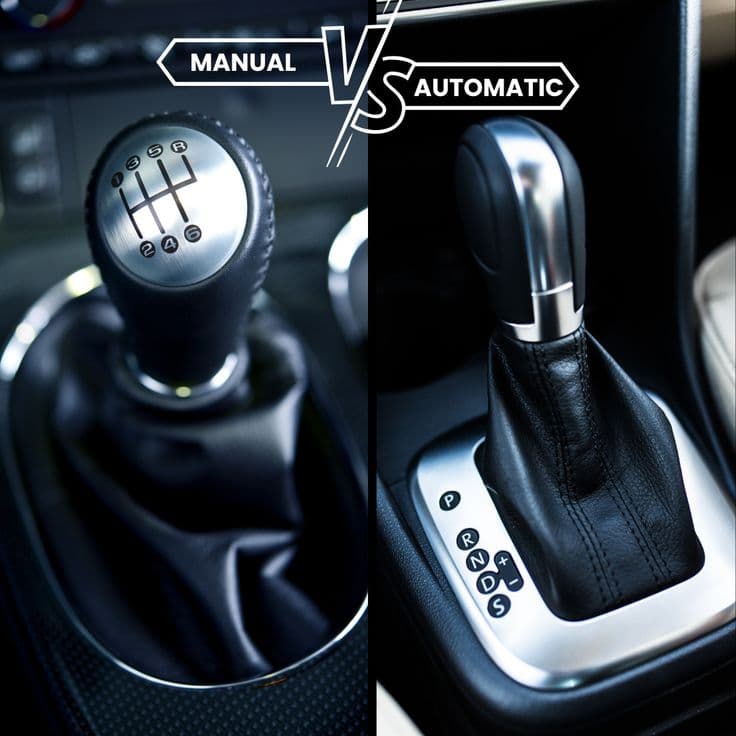
Manual vs Automatic: Which Should You Choose for Your UK Driving Test?
Confused about whether to take your UK driving test in a manual or automatic car? Here’s a clear, friendly comparison to help you decide what suits you best

Choosing between a manual and automatic car for your UK driving test can feel like a big decision. Both options have their advantages, and the best choice depends on your goals, learning style, and future driving needs. This guide shares real community insights to help you make an informed choice.
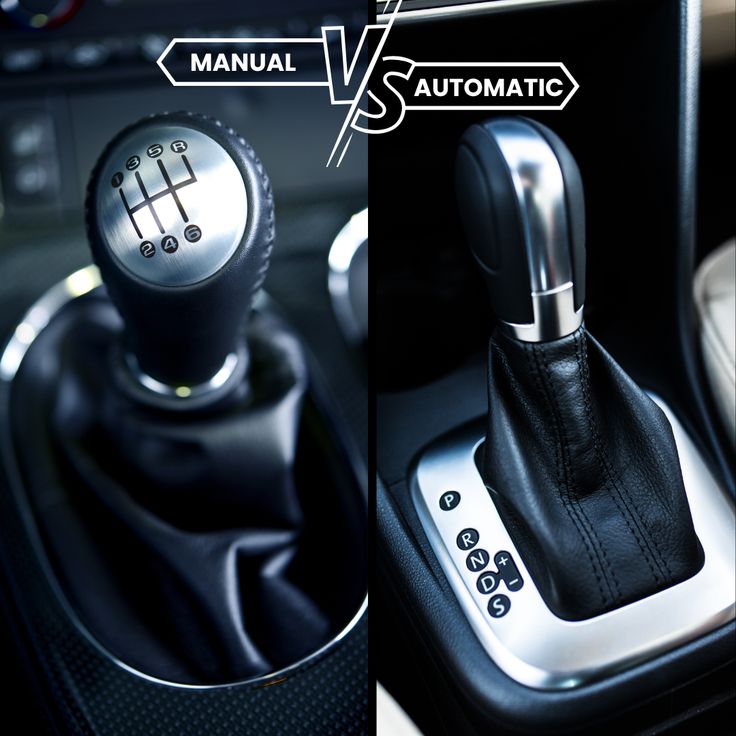
1. Understanding the Difference
Manual cars have a clutch pedal and gear stick that require you to change gears yourself, while automatic cars handle gear changes automatically. Learners often find automatic driving simpler because it removes the need to coordinate clutch and gear control. Manual, however, gives you more overall driving flexibility once you pass your test.
2. Test Difficulty
Most learners agree that the automatic driving test feels slightly easier. With no clutch control to manage, you can focus more on steering, speed, and observation. However, driving instructors often remind learners that manual tests are not impossible they just require more practice to master timing and coordination. Passing a manual test also automatically qualifies you to drive both manual and automatic cars, while passing in an automatic limits you to automatics only.
3. Vehicle Availability
In some areas of the UK, manual cars are still more common, especially among instructors. This means it may be easier to find manual lessons or book a manual car for practice. However, the number of automatic cars is rising quickly due to the popularity of electric vehicles, which are all automatic by design. If you plan to buy an electric car later, learning automatic might make more sense.
4. Future Flexibility
Choosing manual gives you more freedom. You can drive both types of cars and handle any vehicle offered by employers or rental companies. On the other hand, if you only ever plan to drive an automatic, taking the automatic test can save you time and reduce stress during lessons. It’s worth thinking about what kind of cars you want to drive in the future before deciding.
5. Cost Considerations
Manual lessons can sometimes take longer because of clutch and gear practice, which means you may need more hours before taking the test. Automatic lessons can be slightly more expensive per hour, but learners often need fewer sessions overall. Maintenance costs for manual cars are generally lower, but with the UK moving toward electric and hybrid vehicles, this gap is slowly closing.
6. Common Misconceptions
Some learners think automatic drivers are less skilled, which is not true. Passing either test requires the same level of road awareness and safety understanding. Others worry that automatics make driving “boring,” but in busy city areas like London or Manchester, many drivers prefer them for comfort and convenience.
7. Experiences from Learners
Learners who chose manual often say they felt more in control and confident handling any car after passing. Those who picked automatic share that they felt calmer during lessons and could focus more on observations instead of gears. Both experiences are valid, the right choice depends on your comfort and goals.
8. Making Your Decision
Ask yourself a few questions. Do you want full flexibility for future vehicles? Do you struggle with clutch control or stalling? Are you planning to drive mainly in busy traffic or long distances? Your answers will help you decide. Discuss your options with a local instructor who understands your learning pace and area conditions.
9. Examiner’s Perspective
Whether you take a manual or automatic test, examiners focus on the same core skills: awareness, observation, and control. They want to see that you can drive safely, follow signs, and react to changing road conditions. The transmission type does not change the standards you are judged by.
Conclusion
There is no one-size-fits-all answer. Manual gives you flexibility and skill variety, while automatic offers simplicity and comfort. Think about your goals, location, and future plans before making the choice. Whichever you pick, consistent practice and calm confidence will help you succeed on test day.