Parallel Parking Made Simple: Step-by-Step Guide for UK Drivers
Learn to parallel park easily with this step-by-step UK guide. Clear numbered instructions and tips to help you park confidently every time.

Parallel parking can be challenging for new drivers, but once you understand the process, it becomes much easier. Here’s a clear step-by-step guide written in a friendly, UK-based driving community style to help you park safely and confidently.
1. Understanding Parallel Parking
Parallel parking means parking your car parallel to the kerb between two vehicles. It’s a key part of the UK driving test, and success comes from staying calm and using the correct reference points.
2. Find a Suitable Space
Choose a parking space that’s at least one and a half times the length of your car. Make sure it’s legal and safe avoid double yellow lines or driveways. Signal early and slow down so others know you’re preparing to park.
3. Position and Prepare
Stop parallel to the car in front of your chosen space, leaving about half a metre gap. Keep your rear bumpers level, apply the handbrake, and select reverse gear. This position gives you enough space to steer comfortably into the gap.
4. Reverse to the First Reference Point
Check mirrors and blind spots before moving. Begin reversing slowly until the back of your car lines up with the rear of the parked car beside you. At this point, turn the steering wheel one full turn to the left towards the kerb. Move at walking pace to maintain control.
5. Angle into the Space
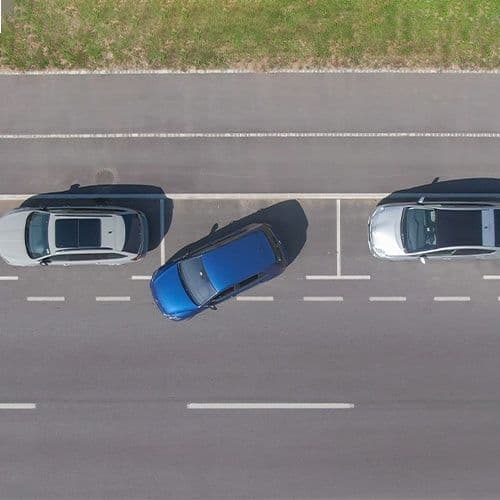
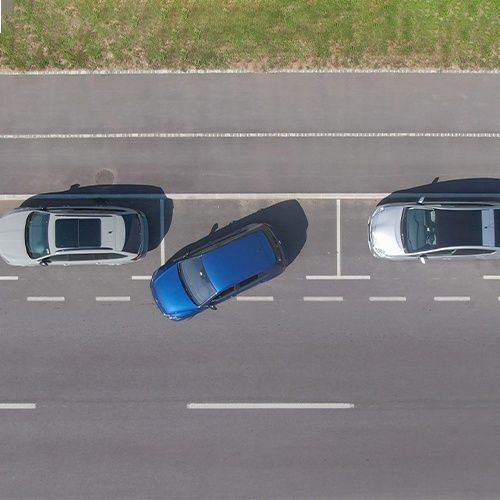
As your car begins to angle into the gap, check your left mirror for kerb distance. When you reach roughly a 45-degree angle, straighten the wheel slightly. This helps guide your car smoothly between the two vehicles.
6. Straighten and Centre the Car
Once your front bumper clears the rear of the car in front, turn the steering wheel one full turn to the right. Continue reversing slowly until your car is parallel with the kerb. Aim for around 30 cm distance from the kerb, then apply the handbrake and select neutral.
7. Avoid Common Mistakes
1) Turning too early: Wait for your alignment points.
2) Reversing too fast: Slow movement equals more control.
3) Forgetting to observe: Keep checking mirrors and blind spots.
4) Oversteering: Use small, smooth turns to adjust.
8. Parking in Tight or Busy Areas
In tight spaces, move slowly and make small corrections. If needed, pull forward and readjust. On busy roads, signal early and wait for a safe gap before you begin. Don’t rush just because other drivers are watching safety always comes first.
9. Troubleshooting Tips
If you stop too far from the kerb, move forward slightly and turn the wheel toward it before straightening again. If you touch the kerb, pull forward, correct your angle, and try again calmly. Practice in an empty car park to build confidence.
Conclusion
Parallel parking becomes easy with practice. Take it slow, follow each step, and focus on your observations. Before long, you’ll be able to park neatly anywhere without stress.