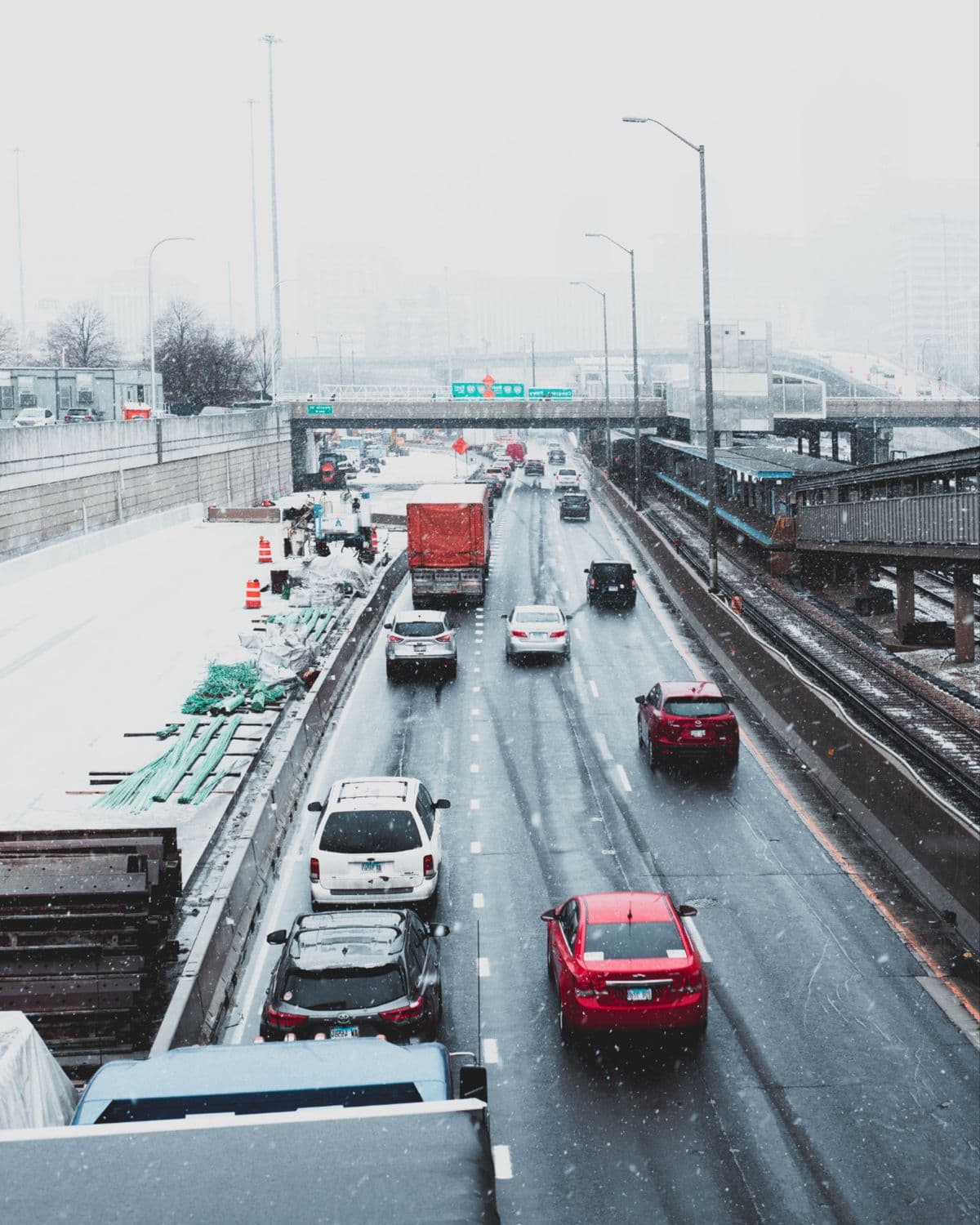
Preparing Your Vehicle for Winter
A winter-ready vehicle reduces risks before you even start driving. Tyres: Aim for at least 3 mm tread for better grip. Consider winter or all-season tyres. Battery: Cold weather weakens batteries, so test older ones. Lights: Clean headlights and ensure all bulbs work for maximum visibility. Wipers & Screenwash: Use winter screenwash to prevent freezing and replace worn wipers. Clear Visibility: Always defrost the windscreen fully before moving.

A winter-ready vehicle reduces risks before you even start driving.
Tyres: Aim for at least 3 mm tread for better grip. Consider winter or all-season tyres.
Battery: Cold weather weakens batteries, so test older ones.
Lights: Clean headlights and ensure all bulbs work for maximum visibility.
Wipers & Screenwash: Use winter screenwash to prevent freezing and replace worn wipers.
Clear Visibility: Always defrost the windscreen fully before moving.

2) Understanding Winter Weather Conditions
Snow: Reduces grip, so accelerate and brake gently.
Ice & Black Ice: Common on bridges, rural roads and shaded areas. Slow down and avoid sudden movements.
Fog: Use low beams or fog lights. Avoid high beams as they reflect light back.
Heavy Rain: Increases aquaplaning risk. Reduce speed and keep a safe following distance.
3) Safe Driving Techniques
Smooth, controlled driving is key in winter.
Increase Following Distance: Leave at least 4–10 seconds behind other vehicles.
Gentle Acceleration & Braking: Prevents skids and helps maintain control.
Use Higher Gears on Ice: Reduces wheel spin.
Slow Before Corners: Braking mid-turn increases skidding.
If You Skid: Ease off the accelerator and steer gently in the direction you want to go.
4) Different UK Roads in Winter
Motorways: Usually gritted but still risky at high speeds. Avoid sudden lane changes.
A-Roads: Mixed conditions with icy patches on bends.
Rural Roads: Less gritted, more black ice and poor lighting.
Residential Streets: Packed snow and ice remain for days. Drive slowly.
5) Winter Driving Checklist
1) Clean lights and mirrors
2) Good tyre tread and correct pressure
3) Full visibility before starting
4) Fuel tank at least half full
5) Phone charged
6) Winter kit: blanket, torch, de-icer, gloves, snacks, water
6) Tips for Learner Drivers
1) Book daylight lessons when possible
2) Take extra time for preparation
3) Drive slower and smoother than usual
4) Communicate openly with your instructor
Conclusion
Winter driving in the UK requires patience, preparation and awareness. By keeping your vehicle ready, adjusting your driving style and understanding different weather conditions, you can travel safely even in challenging winter environments. Stay calm, stay prepared and put safety first on every journey.