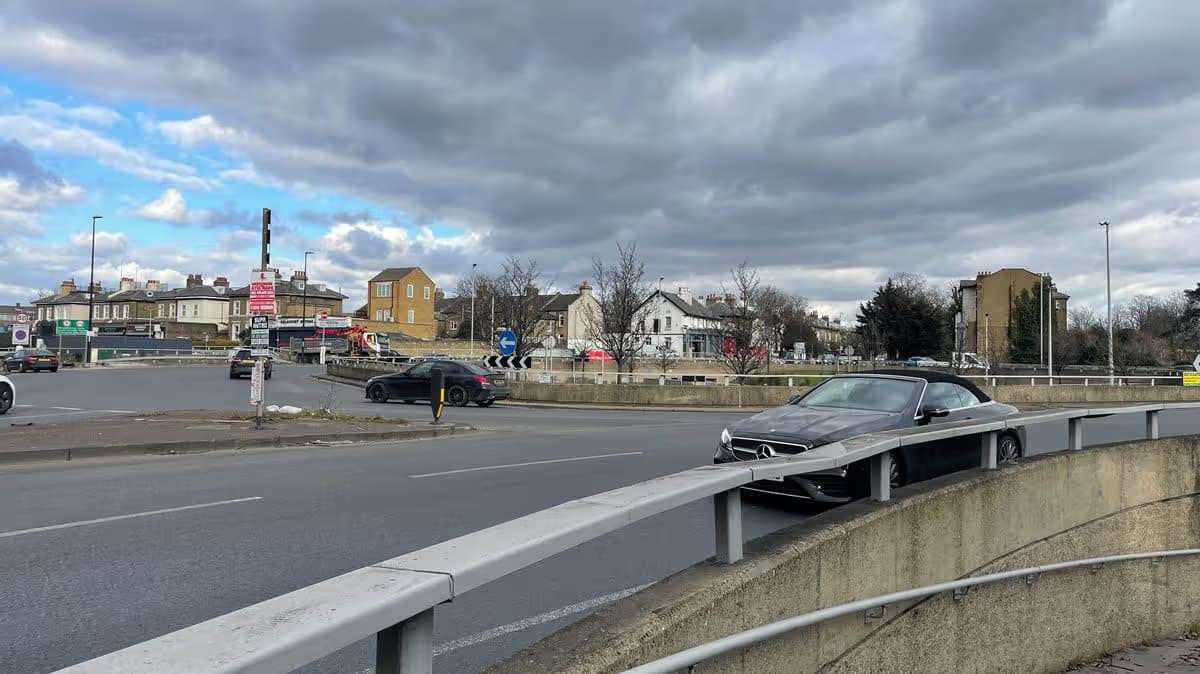
Thinking of Taking Your Driving Test in Bromley? Read This First.
If your practical test at Bromley Driving Test Centre is still months away, it might feel like you’ve got plenty of time. But in reality, long gaps between lessons and test day can chip away at confidence. When you’re driving well now, that’s usually the best time to sit your test.

Bromley cancellations come up more often than most learners realise — especially on weekday mornings and some Saturday slots. The problem isn’t availability. It’s speed. They don’t stay available for long.
If you’re ready, secure an earlier Bromley driving test here
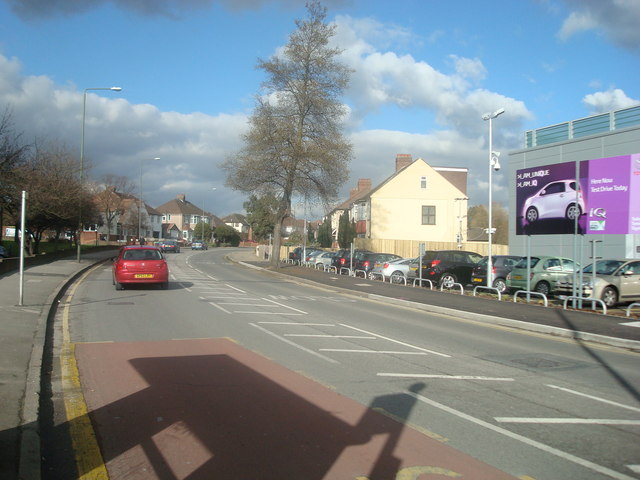
What Is Bromley Driving Test Centre Actually Like?
The centre is based on Burnt Ash Lane, and within minutes of leaving, you’re exposed to a proper mix of road types.
You’ll likely experience:
1) 20 mph residential roads
2) Standard 30 mph traffic zones
3) Busy high streets
4) Multi-lane roundabouts
5) Short slip roads joining faster traffic
6) Hills that test clutch control
It’s not extreme. But it’s varied. And that variety is what catches people out.
One moment you’re cruising comfortably. The next, you’re judging a tight gap at a busy junction with traffic building behind you.
That shift in pressure is where Bromley tests you.
The Bromley Pass Rate – What It Really Means
1) Overall pass rate: 51.5%
2) National average: 48.6%
3) First attempt pass rate: 48.3%
4) Average attempts before passing: 2.1
On paper, Bromley sits slightly above the national average.
In reality, that tells you one thing: if you prepare properly for the local roads, you absolutely can pass here.
Where Most People Slip Up in Bromley
Every area has patterns. Bromley is no different.
Here’s what comes up most often.
Mirror Checks When Changing Direction
Roundabouts and lane changes are a common issue. Learners either:
1) Forget mirrors when exiting
2) Change lanes without full awareness
3) Rush because traffic feels heavy
With Bromley’s multi-lane layouts, your mirror routine has to be automatic.
Junction Decisions
Observation faults are common here.
Why?
Because many junctions feed onto faster roads. Gaps look small. Traffic builds quickly. Some learners hesitate too long. Others go too soon.
The key in Bromley is calm judgement — not speed, not hesitation — just timing.
Steering and Tight Turns
There are narrow residential streets and sharper turns than people expect.
Common problems:
1) Mounting the kerb
2) Oversteering
3) Cutting corners
This usually isn’t about skill. It’s about nerves tightening your control.
Traffic Lights Under Pressure
Busy lights can make people panic.
1) Driving through amber unnecessarily
2) Hesitating at green
3) Misreading filter arrows
Bromley has lights positioned in places where you’re also thinking about lane discipline. That mental overload causes mistakes.
Minor Faults That Build Up
Many Bromley tests are lost not because of one big mistake — but because of small, repeated ones.
Common minors include:
1) Driving slightly too slow on clear roads
2) Undue hesitation
3) Rolling back slightly on hills
4) Forgetting a final blind spot check
5) Small steering corrections
None of these are dramatic. But together, they show inconsistency.
Manoeuvres: What’s Likely to Come Up?
You’re most likely to see:
1) Emergency stop
2) Parallel park
3) Reverse bay park
4) Forward bay park
Parallel and bay parking tend to cause the most nerves. In Bromley, space can feel tight, especially if other vehicles are nearby.
Practise until it feels boring. That’s when you know you’re ready.
When Is the Best Time to Take a Bromley Test?
Early mornings and mid-afternoons during weekdays tend to perform better statistically. Some Saturday afternoon slots also show strong pass rates.
Why?
Traffic is present — which examiners want — but it’s often more predictable.
Feeling Ready? Don’t Stretch It Out
If your mock tests are strong and your instructor agrees you’re ready, pushing your test months ahead doesn’t always improve performance.
Confidence has momentum.
Earlier Bromley cancellations appear frequently, and many learners manage to bring their test forward sooner than expected.
Check for an earlier Bromley driving test here
Simple Ways to Improve Your Chances in Bromley
Before test day:
1) Over-practise roundabouts
2) Build confidence joining faster roads
3) Practise right turns across traffic
4) Work on hill control in real traffic
5) Make mirror checks automatic before every speed or direction change
The examiner isn’t looking for perfection. They’re looking for control, awareness, and safe decisions.
Don’t Wait Until Nerves Build Up
A long wait can create unnecessary pressure. You start replaying mistakes. You overthink things that felt natural before.
If you’re already consistent behind the wheel, there’s no real benefit in delaying.
Cancellations open up regularly, and they’re often taken the same day.
Find an earlier Bromley driving test date here
Frequently Asked Questions
1) Is Bromley Driving Test Centre hard?
It’s not considered one of London’s toughest centres, but it does require confidence with busy junctions and roundabouts.
2) What’s the Bromley pass rate?
Currently 51.5%, slightly above the national average.
3) Are Bromley routes busy?
Yes, especially around high streets and roundabouts. You’ll need good awareness.
4) What causes most failures here?
Mirror checks when changing direction and observation at junctions.
5) Can I get an earlier Bromley test date?
Yes. Cancellations appear regularly and can be booked as soon as they become available.
If You’re Driving Well Now, Keep That Momentum
Passing your driving test is often about timing. Not luck. Not difficulty. Timing.
If your driving is consistent and you feel in control, sitting your test while that confidence is high gives you an advantage.
Earlier Bromley driving test dates become available regularly — but they don’t stay available for long.
Secure an earlier Bromley driving test here