Understanding UK Road Signs: A Visual Guide for Learners
A simple visual guide to understanding UK road signs for learners. Learn the meanings of key warning, regulatory, and information signs to prepare for your driving tests.

Learning UK road signs is an essential part of becoming a safe and confident driver. Whether you’re preparing for your theory test or getting ready for practical lessons, understanding what each sign means helps you make quick, safe decisions on the road.
1. Warning Signs
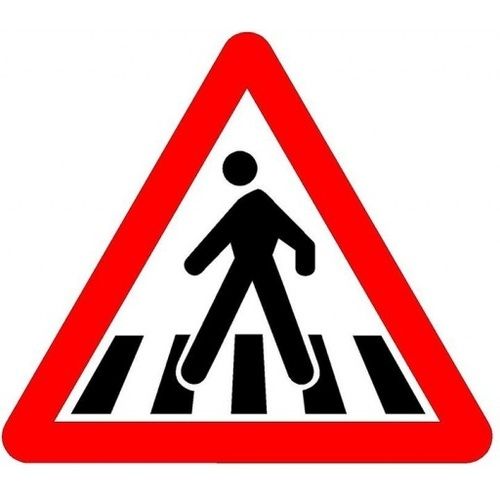
Warning signs are triangular with red borders, designed to alert you about potential hazards ahead. These include bends, crossings, slippery roads, or junctions. When you see one, slow down and prepare to react. For example, a sign showing a deer warns of animals likely to cross, while a zigzag arrow indicates sharp bends.
2. Regulatory Signs
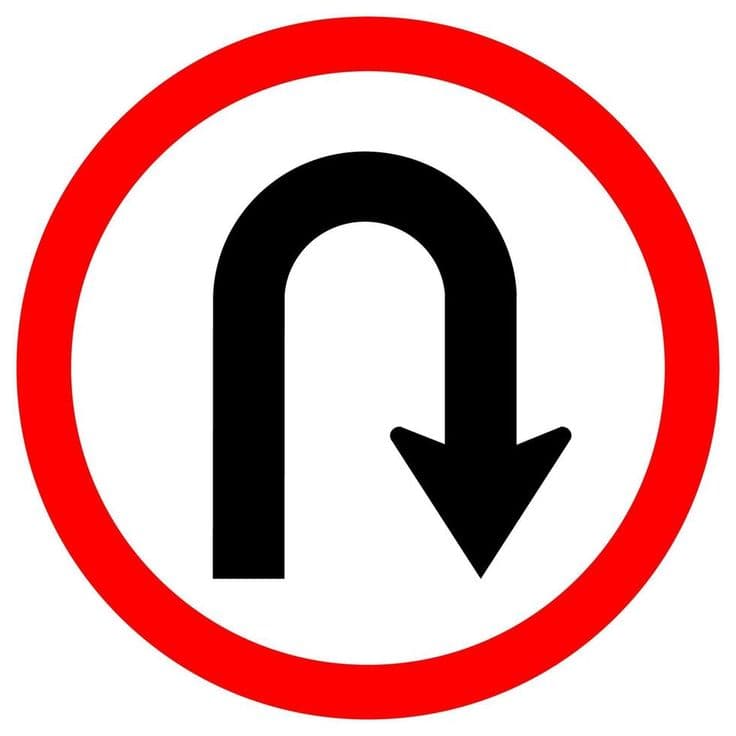
These signs tell you what you must or must not do. Circular signs with a red border show prohibitions, like “No Entry” or “Speed Limit.” Blue circular signs usually indicate mandatory instructions, such as “Turn Left” or “Keep Right.” Always obey these — they are legally enforceable and vital for road safety.
3. Information Signs
Information signs are rectangular and provide guidance or directions. Blue ones are for motorways, green for primary routes, and white for local roads. They include directions to towns, parking areas, or service stations. These help drivers stay informed and make route decisions in advance.
4. Road Markings
Road markings act as silent instructions. Solid white lines indicate you must not cross, while broken lines suggest overtaking is permitted if it’s safe. Yellow lines along the kerb show parking restrictions, and zigzag lines near schools or crossings mean no stopping at any time.
5. Remembering Signs
To memorise signs more easily, focus on shapes and colours. Triangles warn, circles order, and rectangles inform. Visual repetition also helps — try practicing with apps or official DVSA resources. Pay attention to signs during lessons to build real-world familiarity.
Conclusion
Understanding road signs is more than passing your test — it’s about driving safely and confidently. The more signs you recognise, the smoother and safer your journeys become. Keep revising a few each day, and soon identifying them will feel natural.