Understanding UK Speed Limits: A Complete Guide for New Drivers
A simple guide to UK speed limits for new drivers. Learn about road types, signs, and safe driving speeds to stay within the law and build confidence on UK roads.

Speed limits are an essential part of safe driving in the UK. They help protect all road users and ensure traffic flows smoothly. For new drivers, understanding how speed limits work on different roads can make a big difference to both confidence and safety.
1. National Speed Limits Explained
National speed limits apply when there are no specific signs showing otherwise. For cars, the limit is 60mph on single carriageways and 70mph on dual carriageways or motorways. These are the default limits, but they can change depending on the vehicle type, such as vans or towing cars, which usually have lower limits.
2. Urban and Built-Up Areas
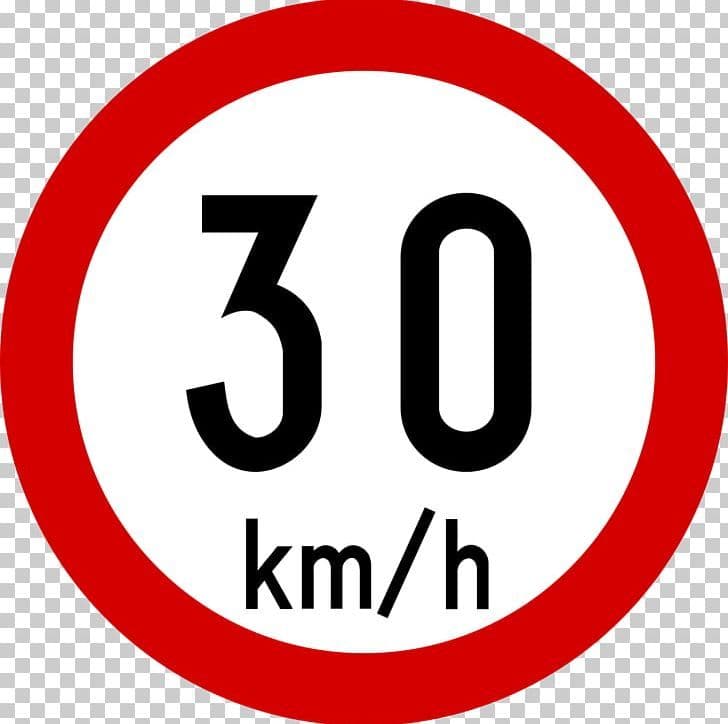
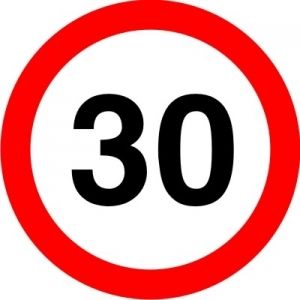
In towns, villages, and built-up areas, the most common limit is 30mph. This is because these areas often have pedestrians, cyclists, and parked vehicles. Some zones, particularly near schools or housing estates, may have 20mph limits to improve safety. Always look out for the smaller circular red and white signs marking these reduced speeds.
3. Dual Carriageways
Dual carriageways are roads separated by a central barrier or strip of grass. The national limit is 70mph, but this may be lower if there are sharp bends, junctions, or heavy traffic. Learners often find these roads challenging, so it is best to build up confidence with an instructor before driving on them alone.
4. Motorways
Motorways have the highest standard of road design in the UK, with a national limit of 70mph. However, temporary limits are common during roadworks or when electronic signs display variable speeds. These limits are legally enforceable, so always check the overhead gantries for updates as you drive.
5. Speed Limit Signs and Road Markings
Speed limit signs are circular with a red border and a number in the middle showing the limit in miles per hour. If you see a sign with a grey diagonal stripe, it means the national speed limit applies. Road markings also provide clues; for example, street lighting without signs usually indicates a 30mph zone.
6. Temporary and Variable Speed Limits
You will often see temporary limits around roadworks or accident areas. These are displayed on yellow background signs. On motorways, digital signs above each lane can show variable limits to manage congestion or weather conditions. Always adjust your speed accordingly, as cameras often monitor these zones.
7. Recognising Limits Without Signs
Sometimes there are no visible signs, especially in rural or newly built areas. Use your surroundings as a guide. Street lighting generally means a 30mph limit, while open countryside without lighting usually indicates a 60mph single carriageway. It is better to drive slightly below the limit until you are sure rather than risk speeding unknowingly.
8. Common Mistakes New Drivers Make
New drivers often assume speed limits are the same everywhere or follow the flow of traffic without checking signs. Remember that exceeding the limit, even by a small amount, can lead to fines or penalty points. Another common mistake is braking suddenly when spotting a camera, which can be unsafe for vehicles behind. The best habit is to maintain steady, controlled speeds.
9. Safe Speed Isn’t Always the Limit
Just because a road allows 60 or 70mph doesn’t mean it’s always safe to drive at that speed. Factors like rain, fog, traffic, or sharp bends may require you to slow down. The DVSA encourages drivers to use “appropriate speed,” meaning the speed that’s safe for the conditions, not necessarily the maximum allowed.
10. Why Speed Awareness Matters
Speeding is one of the leading causes of accidents in the UK. Understanding limits and respecting them helps protect you and others on the road. Many experienced drivers say that learning to judge safe speeds early on made them more confident and calm behind the wheel. It is not just about avoiding fines; it is about building lifelong safe driving habits.
Conclusion
Learning and following UK speed limits is a vital part of becoming a responsible driver. It is not just about obeying the rules, but about developing awareness and judgment on the road. Always pay attention to signs, adjust your speed for weather and traffic conditions, and stay alert to changes. With time and experience, recognising and respecting speed limits will become second nature, keeping you and everyone around you safe.